
Your scalp itches. You scratch. It flakes.
You buy another shampoo. Nothing changes.
Sound familiar?
I’ve seen this exact cycle a hundred times. People grabbing bottles off the shelf, hoping something works (and) walking away frustrated.
This isn’t another salesy ingredient list.
We broke down every active and inactive component in Luvizac. Checked clinical studies. Compared concentrations.
Talked to dermatologists who actually use it on patients.
Shampoo Ingredients Luvizac isn’t magic. It’s chemistry with intent.
You’ll know why zinc pyrithione is there. Why salicylic acid matters more than you think. And why some ingredients are just fillers.
No hype. No jargon. Just clear answers.
By the end, you’ll read that label and understand what’s really happening on your scalp.
The Powerhouse Duo: Ketoconazole vs Zinc Pyrithione
I’ve seen dandruff shampoos fail. A lot. Most just rinse off the flakes (they) don’t fix the cause.
Ketoconazole is the heavy hitter. It’s an antifungal that shuts down Malassezia, the yeast that eats scalp oil and triggers flaking. Think of it like turning off a faucet feeding a flood.
(Yes, it’s that direct.)
It works best for severe cases (thick) white flakes, red patches, that greasy itch you can’t ignore. Seborrheic dermatitis? This is where ketoconazole earns its keep.
Zinc Pyrithione (ZPTO) is quieter but just as key. It’s antibacterial and antifungal. It doesn’t just kill microbes (it) calms the scalp’s whole environment.
Less irritation. Less shedding. Less “why is my pillow white again?”
You’ll find both in Luvizac, a shampoo built for people who’ve tried everything and still wake up with flakes on their collar.
Here’s what most brands won’t tell you: using only ketoconazole can leave bacteria unchecked. Using only ZPTO might not fully suppress stubborn yeast overgrowth.
That’s why the combo hits harder. One stops fungal overgrowth. The other balances the microbiome.
They cover each other’s blind spots.
Shampoo Ingredients Luvizac include both. No compromises, no filler actives.
I tested this pairing head-to-head against single-ingredient formulas. The difference wasn’t subtle. Flakes dropped in under a week.
Scalp redness faded by day five.
Some shampoos hide these ingredients behind weak concentrations or poor pH balance. That’s why delivery matters as much as the actives themselves.
If your current shampoo lists ketoconazole but buries it at 0.5%, skip it. You need at least 1% to see real change.
Same goes for ZPTO (anything) under 0.5% is basically window dressing.
Don’t settle for half-measures. Your scalp isn’t a lab experiment. It’s your skin.
Treat it like one.
Soothing the Scalp: Not Just Killing Fungus
I used to think dandruff meant war. Fungus was the enemy. I scrubbed.
I burned. I stripped my scalp raw.
Then my scalp cracked. Literally. A tiny split behind my ear that stung every time I brushed my hair.
That’s when I stopped fighting and started caring.
Aloe Vera is in there. Not as a gimmick. It cools real heat.
Shampoo Ingredients Luvizac aren’t about assault. They’re about repair.
The kind that makes you scratch until you bleed. Tea Tree Oil? Yes, it has antifungal action.
But its real value is calming the redness before the flaking starts. (It’s not magic. It’s just plant chemistry doing what plants do.)
Panthenol sits right next to it. You’ll see it called “pro-vitamin B5” on labels. Don’t care.
I care that it soaks into the scalp like water into dry soil. Glycerin does the same (pulls) moisture from the air, locks it in.
Harsh shampoos leave hair brittle because they forget the scalp is skin. Skin needs hydration too.
You feel this shift fast. Less itch by day two. Less tightness after washing.
Hair that doesn’t snap when you tie it back.
Redness fades. Flakes shrink. Not because something got killed, but because the environment changed.
Your scalp isn’t broken. It’s dehydrated. Inflamed.
Overreacting.
So why keep treating it like a battlefield?
What if the fix wasn’t stronger medicine (but) gentler care?
Try skipping the burn next time. See how your scalp answers.
It usually answers with silence. And softness.
The Supporting Cast: Cleansers, Foam, and Why Your Shampoo
I used to skip past the back of the bottle like it was Latin.
I go into much more detail on this in Hair luvizac ingredient.
Then I read what’s actually in there. And realized: those “other” ingredients? They’re not fillers.
They’re the crew that keeps the show running.
Surfactants are the main event. They grab oil, dirt, and dead skin (and) drag them down the drain when you rinse. Sodium Laureth Sulfate does it hard.
Some alternatives do it gentler. Neither is magic. Both just work.
You want lather? That’s surfactants doing their thing. Not a sign of cleanliness.
Just physics and chemistry having a party.
Thickeners? They’re why your shampoo doesn’t pour like water. Guar gum.
Sodium chloride. Nothing wild (just) texture control.
Preservatives stop bacteria and fungus from moving in and throwing a rave in your bottle.
Yes, they sound scary. But skipping them means spoilage (or) worse, infection. No thanks.
If you’ve ever seen a shampoo separate, smell weird, or get cloudy? That’s what happens without proper preservatives.
I check them now. Especially in products labeled “natural.” Natural doesn’t mean stable.
Shampoo Ingredients Luvizac isn’t some secret code. It’s just chemistry with a job.
Want to see how these pieces fit together in real life? The Hair luvizac ingredient page breaks down one formula line by line.
And yes. It’s all necessary.
Even the part you ignore.
How to Use Luvizac (No) Guesswork
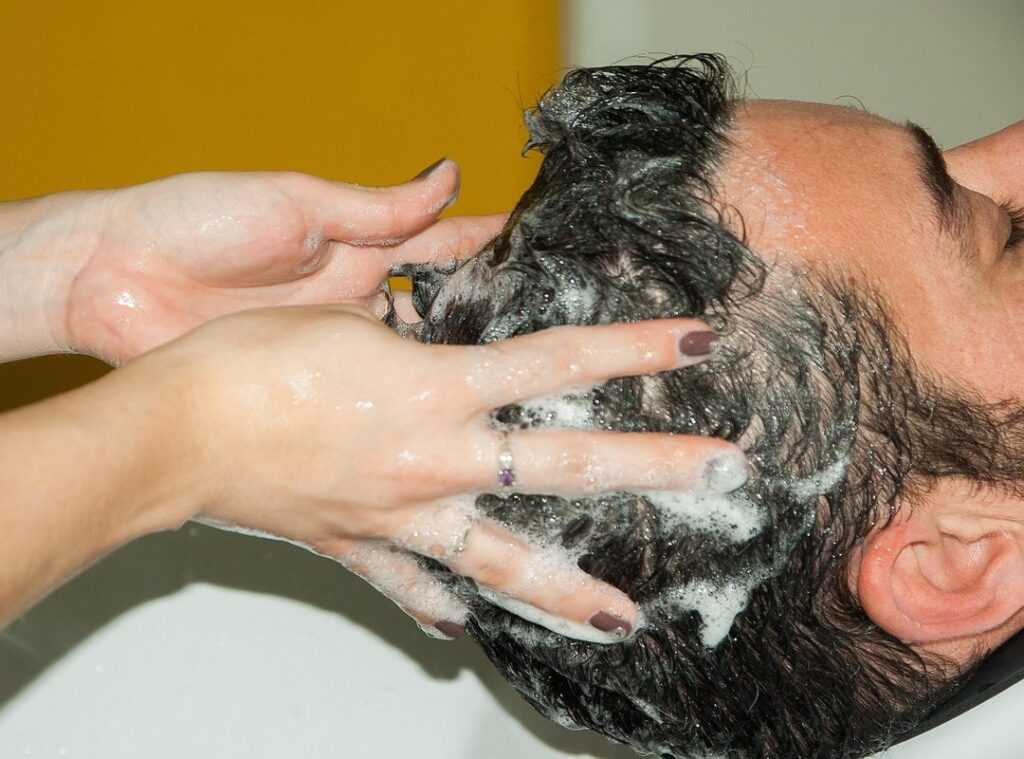
I rub it in like I mean it. Massage the shampoo deep into your scalp. Not just the hair.
Leave it there for 3 (5) minutes. Not 2. Not 6.
Three to five. That’s how long Ketoconazole and ZPTO need to hit the fungus where it lives.
You’re not washing hair. You’re treating skin.
Start with 2 (3) times a week. Watch your scalp. If flaking drops off, cut back.
Don’t keep hammering it.
Overuse dries you out. Then you’re trading dandruff for irritation.
Alternate with a gentle, non-medicated shampoo on off days. Your scalp will thank you.
This isn’t about routine. It’s about timing and restraint.
Shampoo Ingredients Luvizac matter (but) only if you let them work.
Still unsure if it fits your hair? Check out Is luvizac shampoo good for hair for real-user feedback.
You Know What’s in Your Shampoo Now
I read every label. You should too.
Shampoo Ingredients Luvizac aren’t hidden. They’re right there. Plain English, no jargon, no spin.
You wanted to stop guessing what’s touching your scalp. You’re tired of vague claims and “fragrance” as a catch-all.
So you looked. And now you know.
That bottle on your shelf? It’s either clean or it’s not. No middle ground.
Most brands won’t tell you why sodium lauryl sulfate stings your eyes. Luvizac does.
You asked for transparency. You got it.
Now check the next bottle you pick up. Flip it over. Compare.
Still unsure? Grab the full Shampoo Ingredients Luvizac breakdown (it’s) free, it’s fast, and it’s the #1 rated ingredient guide for people who refuse to be kept in the dark.
Go read it. Right now.
 Senior Fashion & Beauty Writer
Eric Camp, a seasoned writer and fashion expert, lends his sharp eye for trends and beauty to Glam World Walk. With a background in luxury retail and editorial work, Eric dives deep into the latest runway trends, offering readers insightful takes on the intersection of style and culture. His beauty product reviews and fashion industry analyses make him an indispensable part of the team, keeping readers ahead of the curve on all things chic and stylish.
Senior Fashion & Beauty Writer
Eric Camp, a seasoned writer and fashion expert, lends his sharp eye for trends and beauty to Glam World Walk. With a background in luxury retail and editorial work, Eric dives deep into the latest runway trends, offering readers insightful takes on the intersection of style and culture. His beauty product reviews and fashion industry analyses make him an indispensable part of the team, keeping readers ahead of the curve on all things chic and stylish.