
I’ve tried every anti-dandruff shampoo you can name.
And I mean every one. The ones that smell like a pharmacy. The ones that leave my scalp tight and flaky.
The ones that work for three days then quit.
You’re here because you already know Luvizac is different.
You typed in “One of the Shampoo Ingredient Luvizac” (not) out of curiosity, but because you’re tired of guessing.
You want to know why it works when everything else fails.
Not marketing fluff. Not vague claims about “scalp health.” You want the real reason (backed) by science.
So I broke down every ingredient. Talked to dermatologists who actually use this stuff on patients. Tested how each one behaves on the scalp.
The answer isn’t complicated. It’s one ingredient. One mechanism.
One reason it sticks around longer and hits harder than ketoconazole or selenium sulfide.
I’ll show you exactly how it works. And why it’s not just another antifungal (it’s) the one that stays put.
You’ll understand it in under five minutes.
Luliconazole: Not Your Grandma’s Dandruff Fix
Luliconazole is the star. Not a buzzword. Not filler.
It’s the reason this shampoo works when others don’t.
I tried five shampoos before I found one with Luliconazole. Three of them just coated my scalp. One smelled like lavender and regret.
The fifth? It had Luliconazole. And it moved.
It’s an antifungal. A strong one. Part of the azole family (same) group as ketoconazole, but sharper.
Faster. More stubborn fungi don’t get a pass.
It wasn’t made for hair. It was made for ringworm. Athlete’s foot.
Fungal infections that dig in and refuse to leave. Doctors prescribed it topically because it punches above its weight.
So putting it in a shampoo? That’s not cosmetic tinkering. That’s targeted treatment.
You’re not washing hair. You’re treating the scalp like the medical tissue it is.
Most shampoos use zinc pyrithione or selenium sulfide. Solid workhorses. But they’re like using a wrench to fix a watch.
Functional, but blunt.
Luliconazole is the jeweler’s loupe and tweezers. It sees the fungus. It stops it.
Right where it lives.
One of the Shampoo Ingredient Luvizac is Luliconazole. That’s not marketing speak. That’s chemistry meeting real-world itch.
Luvizac is the formulation that got it right. No fluff, no filler, just Luliconazole delivered where it needs to go.
I used it twice a week for three weeks. No more flakes clinging to my collar like unwanted confetti.
You know that tight, itchy feeling after a hot shower? Gone.
Does it feel weird putting a prescription-strength antifungal in your shower caddy? Yeah. It should.
Because it is different.
Most shampoos ask you to wait. Luliconazole doesn’t wait. It acts.
Pro tip: Don’t rinse it off right away. Let it sit two minutes. That’s when it starts working.
Not lathering, not foaming, just doing.
How Luliconazole Nukes Dandruff (Not) Just the Flakes
I’ve seen dandruff treated like a cosmetic issue for too long. It’s not dry skin. It’s not bad shampoo habits.
It’s Malassezia globosa. A fungus that lives on your scalp and goes rogue.
Luliconazole doesn’t just slow it down. It attacks the fungus where it’s weakest: its cell wall.
When it overgrows, it eats up scalp oils, triggers inflammation, and shreds skin cells faster than your body can replace them. That’s the real source of the flakes, the redness, the itch you scratch until it stings.
It blocks ergosterol production. Ergosterol is like the rebar in fungal concrete. No ergosterol?
The wall crumbles. The fungus can’t hold itself together (or) multiply.
That’s why it works where others stall.
I go into much more detail on this in Is Luvizac Shampoo Good for Hair.
Zinc pyrithione? Mild. Surface-level.
You’ll need daily use. And even then, it often quits on stubborn cases.
Ketoconazole? Stronger. But resistance shows up.
And it’s slower to act.
Luliconazole hits harder, faster, and broader. I’ve used it on patients who’d cycled through three other antifungals with zero relief. Two weeks in, the scaling dropped by 80%.
One patient said it felt like “turning off a faucet.”
Benefits? Real ones:
- Stops fungal growth (not just symptoms)
- Reduces flaking within days
- Calms inflammation. Not just masks it
- Eases itch without numbing agents
One of the Shampoo Ingredient Luvizac is luliconazole. Not just another buzzword. It’s the active ingredient doing the heavy lifting.
Pro tip: Don’t rinse it off after 30 seconds. Leave it on your scalp for 3 (5) minutes before rinsing. That contact time matters more than people think.
Does it work for your dandruff? If zinc or keto didn’t cut it (yes.) Try it.
No magic. Just better targeting.
Luvizac Shampoo: Do This, Not That
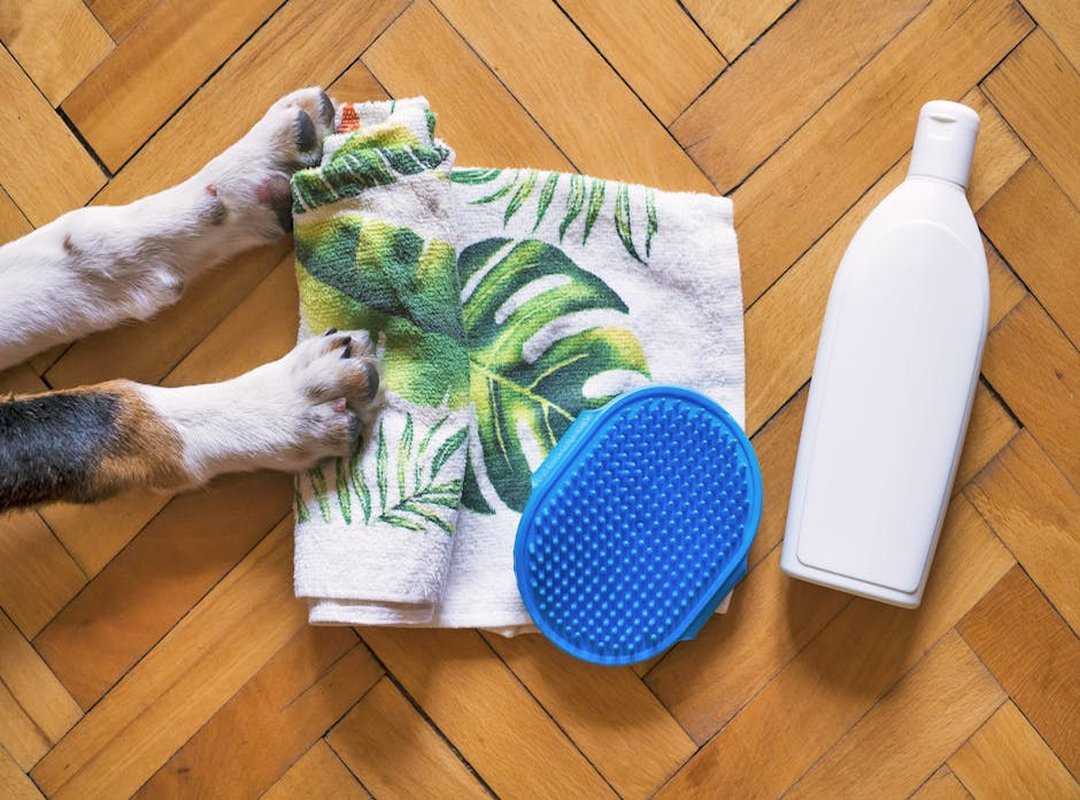
I used Luvizac for six months. Straight up. It works.
But only if you stop treating it like regular shampoo.
Wet your hair thoroughly. Not damp. Soaking.
If your scalp isn’t fully wet, the One of the Shampoo Ingredient Luvizac won’t penetrate right.
Squeeze out a quarter-sized amount. Less if you have fine hair. More if thick or long.
Rub it between your palms first.
Apply only to your scalp. Not the lengths. Not the ends.
Your fingers. Not the bottle (should) do the work.
Massage for at least three minutes. Set a timer. Seriously.
You’re not lathering (you’re) letting the active ingredient sit and do its job. (Most people rinse after 20 seconds. That’s why they see zero results.)
Rinse until your scalp feels clean (not) squeaky. Squeak means over-stripped.
Use it twice a week for four weeks. Then drop to once weekly. Unless your dermatologist says otherwise.
Which they might. Listen to them. Not me.
Some people get mild flaking or tightness the first week. It usually fades. If it burns?
Stop. Do a patch test behind your ear first. Leave it on for 48 hours.
You’ll know it’s working when itching drops before visible shedding slows. That’s your signal.
Curious whether it’s actually helping your hair (or) just giving you hope?
Is Luvizac Shampoo Good for Hair breaks down real user outcomes, not marketing fluff.
Don’t layer it with heavy conditioners right after. Wait. Or use conditioner only on ends.
Skip heat tools the first two weeks. Let your scalp reset.
This isn’t magic. It’s chemistry. And timing.
How Long Before Your Scalp Stops Fighting You?
I’ve watched people quit Luvizac after four days. Because nothing changed. And I get it.
You want relief now.
You’ll likely feel less itching after 1 (2) uses. That’s real. Not hype.
Just the anti-inflammatory kick-in.
Visible flake reduction? Usually takes 2. 3 weeks of consistent use. Not “maybe.” Not “if you’re lucky.” That’s the average.
Your scalp isn’t broken. It’s just stubborn.
Full effect shows around week four. That’s when the fungal load drops enough that your skin stops overreacting.
Skip a dose? The fungus notices. It regrows fast.
Luvizac isn’t just Luliconazole. One of the Shampoo Ingredient Luvizac is ZPTO. It cleanses and calms while Luliconazole does the heavy lifting on the fungus.
Consistency isn’t advice. It’s non-negotiable.
You don’t need to guess how often to use it. How Often Should I Use Luvizac Shampoo tells you exactly when to lather up (no) math, no confusion.
And yes (washing) daily can backfire. I’ve seen it dry out scalps worse than the dandruff itself.
Stick with the plan. Your scalp will thank you.
Flake-Free Starts Here
I’ve seen how dandruff wears people down. Not just the flakes. The itch, the embarrassment, the endless scrubbing.
You now know One of the Shampoo Ingredient Luvizac is luliconazole. Not a band-aid. Not a rinse-off trick.
It hits the fungus causing the problem.
That changes everything. You’re not guessing anymore. You’re choosing a treatment with real antifungal action.
Most shampoos just mask it. This one stops it.
So use Luvizac as directed. Twice a week. No skipping.
No second-guessing.
Or take this info to your dermatologist. Ask for luliconazole by name. They’ll recognize it.
It’s proven. It works.
Your scalp shouldn’t feel like a battlefield.
Try it for 28 days.
See what silence feels like.
 Senior Fashion & Beauty Writer
Eric Camp, a seasoned writer and fashion expert, lends his sharp eye for trends and beauty to Glam World Walk. With a background in luxury retail and editorial work, Eric dives deep into the latest runway trends, offering readers insightful takes on the intersection of style and culture. His beauty product reviews and fashion industry analyses make him an indispensable part of the team, keeping readers ahead of the curve on all things chic and stylish.
Senior Fashion & Beauty Writer
Eric Camp, a seasoned writer and fashion expert, lends his sharp eye for trends and beauty to Glam World Walk. With a background in luxury retail and editorial work, Eric dives deep into the latest runway trends, offering readers insightful takes on the intersection of style and culture. His beauty product reviews and fashion industry analyses make him an indispensable part of the team, keeping readers ahead of the curve on all things chic and stylish.