Breaking the Mold: What Diversity Really Means in Fashion
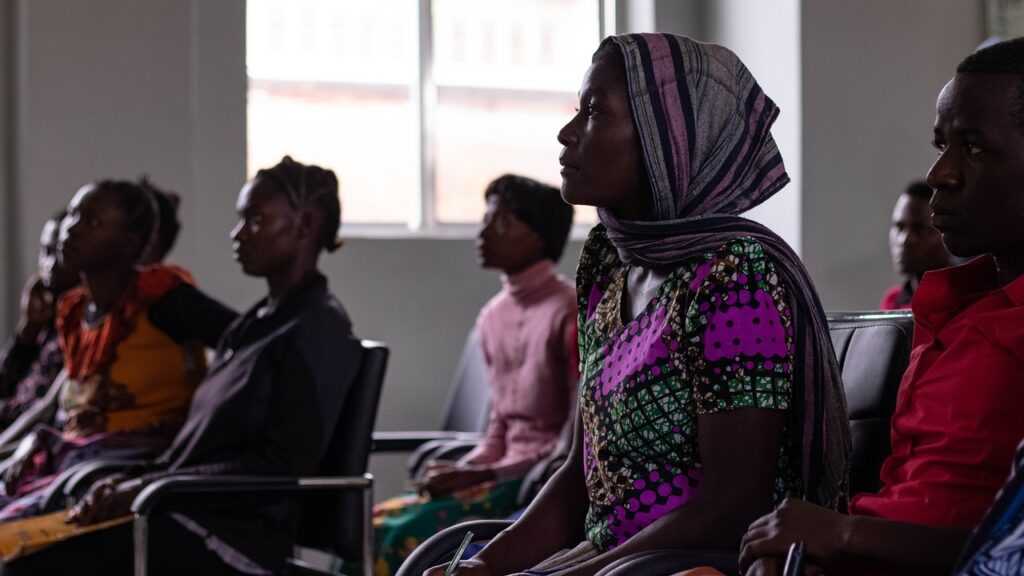
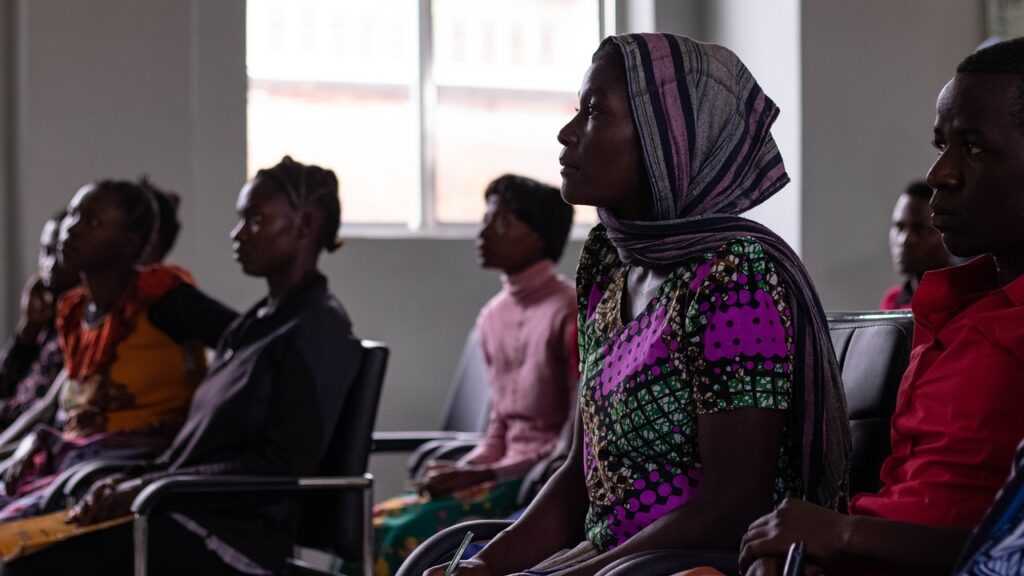
The word “diversity” gets thrown around a lot in fashion, often as a buzzword with little real backing. But in 2024, the industry is under pressure to go deeper to move past surface level inclusion and embrace the full spectrum of human identity. It’s no longer good enough to feature a token model of color or occasionally include a plus size body on the runway.
Real diversity means rethinking who gets seen, heard, and hired. Race, body type, age, gender identity, and ability are not trend elements they’re the human reality that the industry has often overlooked. You’ll see this shift not just in casting, but in who leads creative teams, who makes boardroom decisions, and who shapes what fashion even looks like.
Designers are moving beyond a narrow beauty ideal. Style isn’t dictated only by legacy brands or a handful of influencers anymore. It’s being driven by creators on the fringe, by communities ignored for too long, by people designing not just for aesthetics but for access, ownership, and representation. That shift is redefining the very standards of what is stylish, what is aspirational, and what is profitable.
More than trend, it’s about culture, identity, and belonging. And it’s moving fast. Any brand not adapting risks becoming a relic.
Runway to Real World: Visible Change in Motion
Fashion is no longer confined to narrow runways and rigid norms. Today, the industry is actively shifting toward a more inclusive vision one where authenticity, representation, and accessibility are prioritized.
Inclusive Casting Takes the Spotlight
Major fashion weeks across New York, London, Milan, and Paris are increasingly embracing diverse casting. This change marks a clear move away from limited beauty ideals and toward a more realistic, multifaceted definition of style.
Models of all body types, races, genders, and abilities are walking global runways
Representation is no longer a one season trend it’s becoming an expectation
Designers are showcasing collections with casting that mirrors the real world
Designing for Those Long Overlooked
Fashion is becoming functionally inclusive as well as visually representative. Brands are investing in adaptive clothing and tailored lines crafted around the needs of underserved communities.
Inclusive sizing ranges that go far beyond “standard” norms
Adaptive apparel for people with disabilities, chronic illnesses, or neurodivergence
Gender fluid and non binary collections gaining mainstream traction
Social Media: Catalyst for Change
Digital platforms have given power to voices long excluded from traditional fashion gatekeeping. Today’s trends often begin with the people not the runways.
Influencers from marginalized backgrounds are shaping taste and visibility
Hashtags, challenges, and visual storytelling are amplifying every corner of the fashion community
Audiences now demand transparency and accountability, not just aesthetics
Local Talent Goes Global
International fashion houses are turning outward collaborating with regional creators and artisans in more meaningful ways. These partnerships are crafting a more globally connected and culturally respectful industry.
Capsule collections inspired by and created with local designers
Recognition of craftsmanship from regions often overlooked in mainstream fashion
Fashion weeks and showcases emerging in countries outside the traditional “big four”
The momentum is clear: fashion is no longer just about trends. It’s about transformation, led by a growing insistence that everyone deserves not only to be seen but to be celebrated.
Retail Reactions and Brand Evolution

Legacy brands aren’t coasting on name recognition anymore. With younger consumers demanding more than fashion statements, old guard labels are being forced to rethink everything from who’s in leadership to the values their campaigns promote. Some are partnering with activists. Others are retooling entire collections to center inclusivity and sustainability. It’s not just trend chasing; it’s survival.
At the same time, a wave of mission driven designers is rewriting the rulebook from the ground up. These aren’t just brands with nice slogans. They’re built on actual principles: fair labor, recycled materials, gender fluid design, adaptive fits. The message is clear if your product lacks a point of view, it’s dead in the water.
Buyers today don’t just want to wear cool stuff. They want to buy from people who give a damn. The result? Product alone isn’t enough. Values are part of the package, and brands that understand that are staying ahead. The rest are playing catch up or fading out.
Diversity’s Global Ripple Effect
Local style has gone global and not in a watered down way. From West African prints to South Asian embroidery, regional aesthetics are shaping mainstream fashion with more authenticity and less appropriation. Today’s designers are fluent in cultural nuance and collaboration, not just trend hopping. It’s not about borrowing it’s about building style that respects its roots.
As new markets rise, inclusive fashion isn’t a niche it’s the default. In cities like Lagos, Mumbai, and Bogotá, clothing is increasingly a tool for self definition. It reflects values, heritage, identity. This shift is pushing brands to design for real people different bodies, backgrounds, and budgets because generic no longer sells. Global consumers are smarter and more connected than ever.
There’s also a clear economic case. Brands investing in representation across design, marketing, and leadership are seeing better engagement and loyalty. People support labels that reflect who they are and what they care about. Cultural credibility pays off.
Want a closer look at how global style is evolving? Explore the Globalization of Fashion.
Challenges That Still Need Addressing
It’s one thing to feature a diverse cast in a campaign. It’s another to fix the systems underneath. Too often, brands stop at surface level inclusion checking boxes instead of asking harder questions. Who’s designing the clothes? Who’s at the table making decisions? Diversity that starts and ends with a photo shoot doesn’t move the needle.
At the executive level, change is crawling. While the styling floor and influencer rosters have grown more inclusive, leadership still doesn’t reflect that same variety. Until the people with hiring power, budgets, and vision reflect the consumers they serve, fashion will keep falling short of real equity.
Accessibility remains another rough patch. Price points are often unrealistic for the very audiences brands claim to support. Extended sizing is still seen as a side project instead of standard. And marketing for adaptive or inclusive products is rare, even when the product exists. If fashion is for everyone, it has to show up that way across the board.
Progress is real but incomplete. The steps forward need to be deeper than optics. They need structure behind them.
The Road Ahead for Inclusive Fashion
As fashion enters its next chapter, progress will depend not just on representation, but on how deeply inclusivity is woven into the fabric of innovation, strategy, and global impact. The trend lines are clear: consumers expect more than statements they expect structural change and measurable growth.
Defining Real Progress
True inclusivity moves beyond surface level representation. It means diverse talent not only appearing in campaigns, but holding decision making roles in design, leadership, and corporate strategy.
Key indicators of authentic progress:
Diversity in executive leadership across creative and business functions
Investment in inclusive design practices, such as size extending collections and adaptive fashion
Long term partnerships with creators and communities traditionally excluded from fashion’s inner circle
Cooperation Across the Ecosystem
Fashion’s evolution will hinge on collaboration.
Stakeholders driving change:
Media: Elevating diverse stories, redefining beauty norms, and holding brands accountable
Technology: Powering customization, accessibility, and sustainable production through innovation
Consumers: Demanding transparency and using buying power to support inclusive brands
Content Creators: Shaping trends, narrating social movements, and bridging culture with commerce
This convergence of influence is beginning to reshape narratives around style, identity, and access.
Globalization and Ethical Responsibility
As inclusive fashion goes global, sustainability and equity must remain key priorities. The world’s growing interconnectivity offers both opportunity and responsibility, especially as fashion gains influence in emerging markets.
Areas to watch:
Rise of regional designers innovating with indigenous materials and techniques
Increased pressure on brands to uphold ethical labor and sourcing standards worldwide
Reframing diversity as integral to environmental sustainability and global justice
(For a deeper look: Globalization of Fashion)
 Beauty Product & Fashion Brand Reviewer
Elizabethie Vallestiera is Glam World Walk's go-to expert for in-depth beauty product reviews and luxury brand spotlights. With a meticulous approach to analyzing the latest beauty innovations, she ensures that readers are always informed about the best products on the market. Elizabethie’s passion for uncovering the stories behind iconic fashion brands makes her articles not only informative but also captivating, offering a blend of style, substance, and glamour that readers crave.
Beauty Product & Fashion Brand Reviewer
Elizabethie Vallestiera is Glam World Walk's go-to expert for in-depth beauty product reviews and luxury brand spotlights. With a meticulous approach to analyzing the latest beauty innovations, she ensures that readers are always informed about the best products on the market. Elizabethie’s passion for uncovering the stories behind iconic fashion brands makes her articles not only informative but also captivating, offering a blend of style, substance, and glamour that readers crave.