
What “Clean Beauty” Really Means
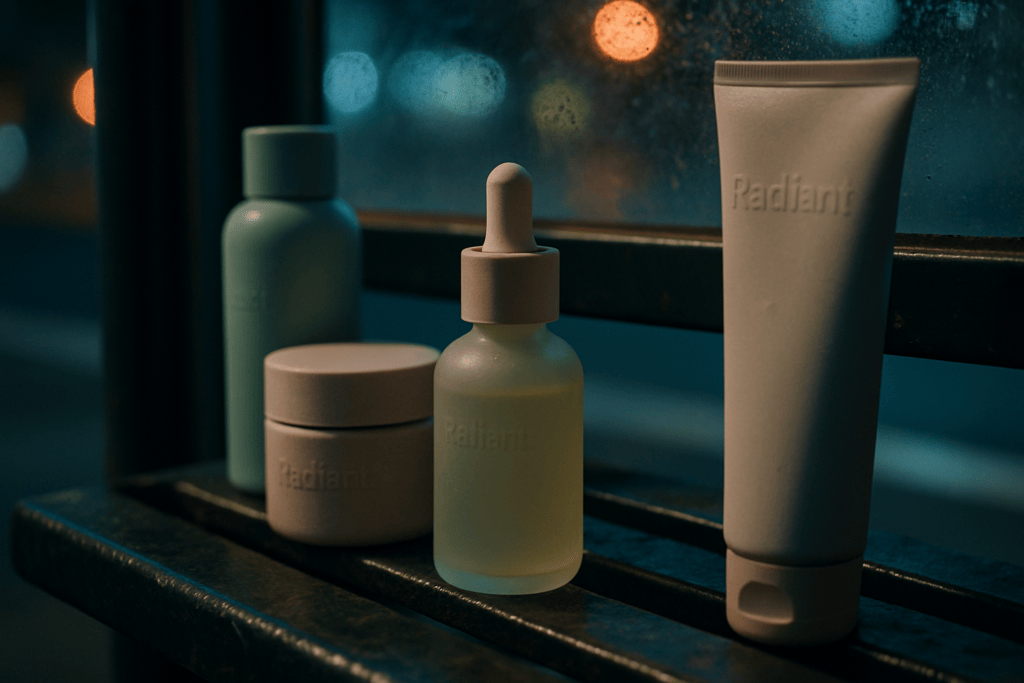
The clean beauty label gets thrown around a lot usually in earthy colors and minimalistic packaging but the basics are actually pretty clear. At its core, clean beauty means products made without certain ingredients that are flagged for health or environmental concerns. Think parabens, phthalates, sulfates, and synthetic fragrances. It doesn’t mean the product is chemical free (impossible), but that it avoids specific ones seen as risky or irritating.
Where it gets tricky is in the marketing. Brands love to slap ‘clean,’ ‘green,’ or ‘natural’ across a bottle, but those terms aren’t regulated. That means a product can claim to be clean but still contain questionable ingredients, just in smaller amounts or under lesser known names. Shoppers often assume clean equals safe or organic, but that’s not always the case.
Also, clean isn’t the same as natural and neither means eco friendly by default. ‘Natural’ implies ingredients are sourced from nature, while ‘green’ suggests sustainability. Clean focuses on health impact first. Some products hit all three marks. Many don’t. So it’s less about buying into a broad label and more about understanding what’s actually in the bottle.
Safety: Just Hype or Actually Safer?
Clean beauty brands often market themselves as safe havens from harsh chemicals and while there’s truth in that, the story isn’t so black and white. Most of these brands avoid ingredients like parabens, sulfates, phthalates, synthetic fragrances, and formaldehyde releasing preservatives. These are linked to skin irritation, hormone disruption, or allergic reactions in some studies. Their absence in clean formulas is the main selling point but it doesn’t automatically make something safer.
Here’s the catch: in the U.S., beauty product regulations are outdated. The FDA doesn’t pre approve cosmetics before they hit shelves and bans far fewer ingredients than the EU. So “clean” is a promise companies choose to uphold, not something enforced. That means standards vary widely and consumers have to read between the lines.
Dermatologists weigh in with caution. To them, “safe” means non irritating, well formulated, and supported by clinical data. “Clean” is mostly a marketing label unless backed up with transparent testing. Ironically, some clean alternatives (like essential oils or botanical extracts) can still cause flare ups, especially on sensitive skin.
Bottom line: clean beauty often avoids questionable ingredients, but it’s not immune to causing reactions. What’s left out matters but so does what’s put in.
Do Clean Products Deliver Results?
The clean beauty movement banks on fewer additives, gentler formulas, and ingredient transparency. But does it actually outperform or at least match conventional products?
In head to head performance, the answer is: sometimes. Clean moisturizers, for instance, have made major strides. Brands like Biossance and Cocokind have earned loyal fans by delivering hydration comparable to drugstore staples but without synthetic fragrances or petroleum based fillers. Serums and oils with ingredients like bakuchiol (a gentler alternative to retinol) have shown promising results in both lab tests and consumer reviews.
Independent labs have tested select clean beauty bestsellers like ILIA’s Super Serum Skin Tint and Herbivore’s Bakuchiol Retinol Alternative Serum and found real improvements in skin hydration, tone, and clarity after consistent use. However, some clean alternatives still underperform in areas like heavy duty sun protection or long wear makeup. In these cases, science backed conventional products can still edge out the cleaner ones.
That said, user reported results show clear wins for clean products among sensitive skin types. Many users cite less redness, itching, and breakouts after switching. Anecdotally, those with eczema and reactive skin often find clean options easier to tolerate.
Performance wise, clean beauty is catching up fast. It’s not about magic cures it’s about doing more with less, and sometimes, less really works.
How to Tell if a Brand Is Truly Clean
In an industry loaded with buzzwords, separating genuinely clean beauty brands from slick marketing takes a bit of work. Just because a label says “natural” or “green” doesn’t make it clean or safe. So what actually signals that a brand is putting its formula where its mouth is?
Start with third party certifications. Look for labels like EWG Verified, which checks for ingredient safety based on available science. Leaping Bunny points to cruelty free practices, and COSMOS certification often ensures organic sourcing, though not always across an entire product line. These aren’t perfect, but they’re way better than nothing.
Next, transparency counts. A truly clean brand will tell you exactly what’s in the product and maybe more importantly, what isn’t. They typically post full ingredient lists, break down where their ingredients come from, and are upfront if a chemical is lab made but safe.
Accountability also matters. Some brands go a step further by submitting to third party testing. That means independent labs check their safety claims, validate ingredients, and sometimes even verify shelf stability or preservative levels. These brands usually don’t hide behind vague descriptions like “botanical blend.”
Bottom line: real clean beauty skips the smoke and mirrors. If a brand’s pushing hard on aesthetics but can’t clearly back up what’s in the bottle, it’s probably more hype than clean.
Clean Beauty and Environmental Impact
Clean beauty isn’t always green beauty. While the term “clean” focuses on safer ingredients for your skin, it doesn’t guarantee a lower footprint on the planet. Packaging, production methods, and sourcing often tell a very different story.
Many clean brands still use plastic heavy packaging or source ingredients in ways that aren’t sustainable. A lotion free of parabens can still come in landfill bound tubes. That’s why the overlap between clean and eco friendly brands matters. Think companies like Lush or Burt’s Bees they prioritize recyclable materials, cruelty free processes, and even refill stations in some locations. These brands go beyond just what’s inside the bottle.
The real test is how a brand handles waste, energy use, and raw materials. Is their packaging recyclable or compostable? Are ingredients locally sourced or flown in from across the globe? Do they publicly share sustainability goals or dodge the question completely?
Bottom line: clean formulas are a good start, but sustainability means looking at the full lifecycle of a product. Cleaner for you doesn’t always mean cleaner for the earth. Reading beyond the label matters.
For a closer look at eco conscious leaders, check out this guide to eco friendly beauty brands.
Smart Shopping for Clean Beauty
Let’s be honest a lot of ingredient labels read like chemistry textbooks. But if you’re shopping clean, getting comfortable with reading them is essential. Skip the marketing claims on the front and flip the package over. Look out for red flags like parabens (often ending in paraben), phthalates (usually hidden under “fragrance”), and sulfates (e.g., SLS, SLES). If a brand isn’t transparent about its ingredients, it’s probably not as clean as it claims to be.
You don’t have to drop $90 on a serum to go clean. Affordable brands like The INKEY List, Cocokind, and Versed offer solid formulations under $25. They skip the worst offenders without cutting corners on performance. Price isn’t always a signal of safety or quality sometimes it just pays for branding.
Starting a clean routine doesn’t mean tossing everything in your current lineup. Swap products one at a time maybe start with cleansers or moisturizers then build from there. That way you won’t overwhelm your skin or your budget.
As for where to shop, stick to trusted retailers like Credo, The Detox Market, or even Target’s clean beauty section. Want backup? Check ingredient databases like INCI Decoder or EWG’s Skin Deep. They break down what each ingredient does and how it ranks safety wise.
Clean beauty shopping takes a little groundwork, but once you get the hang of it, it’s just part of the routine. Read smart, buy what works, and don’t fall for every buzzword.
Bottom Line: Is Clean Worth It?
Clean beauty isn’t one size fits all. But for people with sensitive or reactive skin, it can be a lifesaver. Cutting out harsh preservatives, synthetic fragrances, and irritants gives skin a better shot at staying calm. It’s not just about allergies some people shift to clean beauty after noticing breakouts or redness from conventional products.
For ingredient aware consumers, clean is about control. Knowing what you’re putting on your body matters, especially with unclear industry regulation. That said, going full clean overnight isn’t always realistic or necessary. Gradual transitions work. Swapping products as you finish them helps spot what works and avoids waste.
Here’s the tradeoff: clean doesn’t always mean risk free. Natural ingredients can still cause reactions, and not every clean product is backed by science. But it’s a step toward more conscious beauty a mix of safety, sustainability, and simplicity.
For more on sustainably focused brands, explore eco friendly beauty brands.
 Beauty Product & Fashion Brand Reviewer
Elizabethie Vallestiera is Glam World Walk's go-to expert for in-depth beauty product reviews and luxury brand spotlights. With a meticulous approach to analyzing the latest beauty innovations, she ensures that readers are always informed about the best products on the market. Elizabethie’s passion for uncovering the stories behind iconic fashion brands makes her articles not only informative but also captivating, offering a blend of style, substance, and glamour that readers crave.
Beauty Product & Fashion Brand Reviewer
Elizabethie Vallestiera is Glam World Walk's go-to expert for in-depth beauty product reviews and luxury brand spotlights. With a meticulous approach to analyzing the latest beauty innovations, she ensures that readers are always informed about the best products on the market. Elizabethie’s passion for uncovering the stories behind iconic fashion brands makes her articles not only informative but also captivating, offering a blend of style, substance, and glamour that readers crave.