Fashion’s Historical Blind Spots
For most of the 20th century, fashion centered around a narrow ideal thin, white, cisgender, able bodied. Runways, magazines, and ad campaigns recycled the same archetypes, leaving little room for anyone who didn’t fit the mold. The gatekeepers designers, editors, casting agents created an echo chamber of so called “universal” beauty that was anything but.
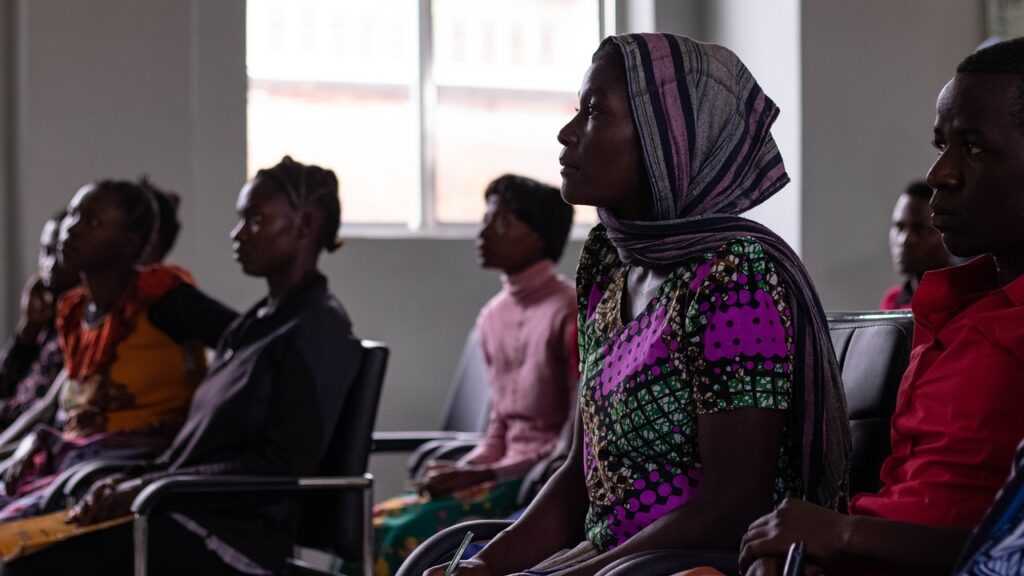
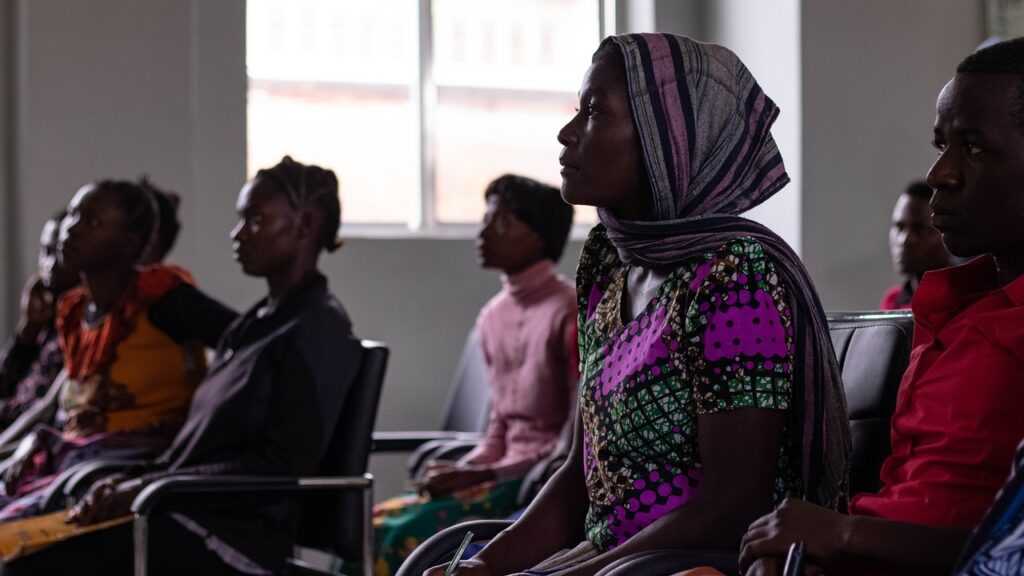
Representation across race, body size, gender identity, and disability was rare, and often tokenized when present at all. When non white cultures showed up, it was more likely through appropriation than inclusion. The stories told weren’t diverse they were curated, airbrushed, and homogenous.
This kind of exclusion came at a cost. Entire communities were erased from the conversation. The industry not only missed out on creative talent, but also fueled damaging beauty myths and reinforced harmful stereotypes. The world kept changing, but fashion stayed caught in its own illusion.
That illusion, thankfully, is starting to crack.
The Demand for Change
In 2024, consumers aren’t just buying outfits they’re making statements. People are paying closer attention to what’s behind a brand: who makes the clothes, who gets represented, and whether the values match their own. When the messaging doesn’t add up, they call it out fast. Social media has turned every comment section into a public forum, where backlash is quick, loud, and global.
That same digital power has become a megaphone for underrepresented voices. TikTok, Instagram, and even LinkedIn now host conversations around equity in fashion. Creators and activists who once went ignored are now reshaping narratives and getting noticed by major labels and indie brands alike. A single thread or video can spark conversations that force boardrooms to listen.
Inclusion isn’t just a moral checkbox. It’s become a business advantage. When brands show up authentically and reflect the cultures they’re drawing from, they aren’t just being fair they’re building trust. In a crowded market, loyalty and cultural relevance are currency. And inclusive brands? They’re getting rich in both.
Representation Beyond the Runway
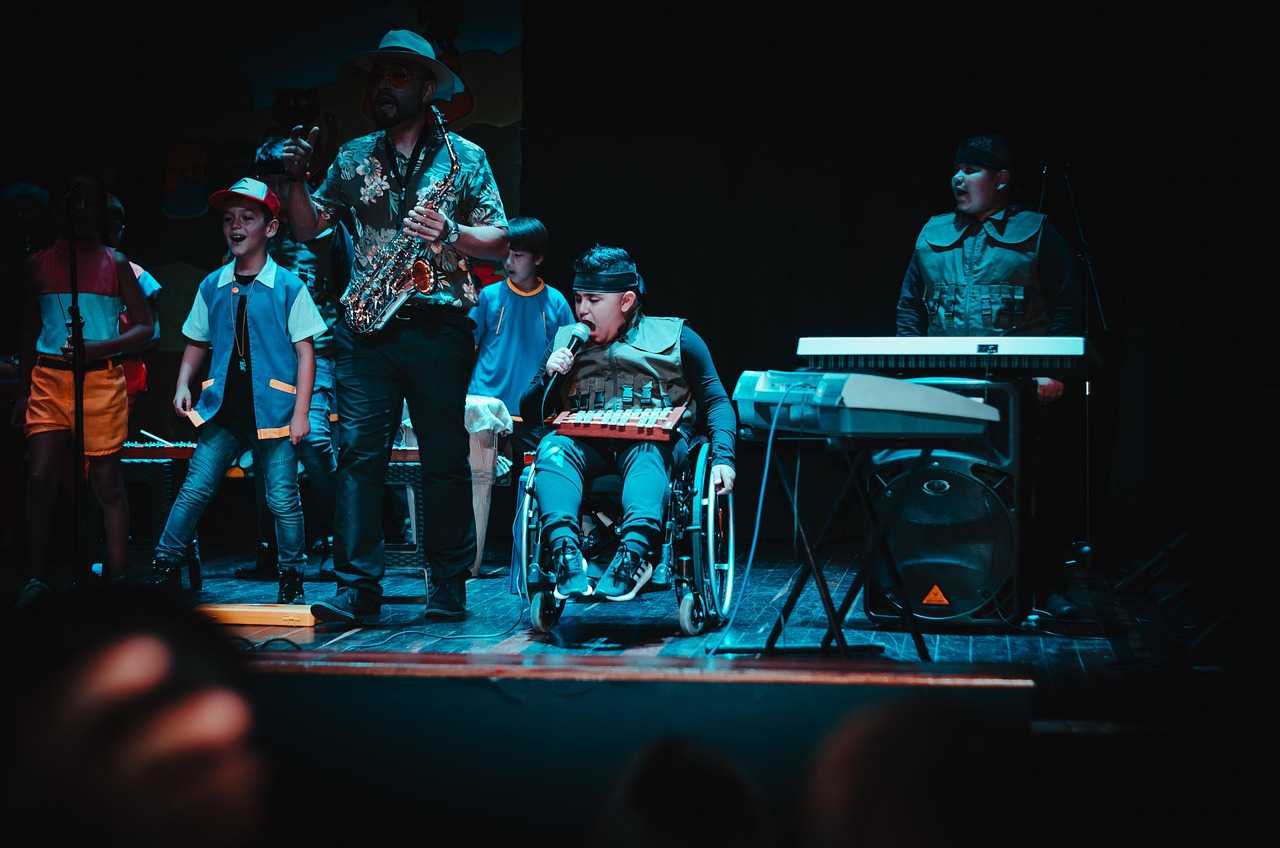
Fashion doesn’t just live on the catwalk anymore. Real influence is built in locker rooms, on sidewalks, and through screens and people expect to see themselves reflected. That’s where inclusive design comes in. True inclusivity means creating clothing that fits more than sample size bodies. It means options that consider disability, shape, gender identity, and comfort not just trends. Brands that don’t understand this are already lagging behind.
Casting is also finally getting a long overdue rethink. It’s not just about the models anymore. Who’s behind the camera or in the boardroom matters. Representation now stretches across photographers, stylists, designers, and executives. Authentic storytelling starts with having every voice in the room. When you only cast diversity without embedding it in creative leadership, the results fall flat.
Campaigns that connect are the ones that feel real: the mom in sneakers, the Black trans teen in promwear, the wheelchair user front and center not off to the side. Consumers notice. And they reward brands that speak to their realities not polished fantasies.
For a deeper look, explore the importance of inclusion.
Economic and Creative Value
Diversity isn’t just a feel good slogan it’s a business advantage. When fashion teams span cultures, backgrounds, and perspectives, creative ideas don’t just multiply they sharpen. Innovation happens when people with different life experiences approach the same problem and bring fresh angles. It’s why the most buzz worthy collections often come from houses that reflect today’s world, not a filtered slice of it.
On the numbers side, the results are just as clear. Inclusive brands those who actually show a range of identities across their campaigns and products tend to grow faster. They build stronger brand affinity and tap into untapped markets that others overlook. It’s not rocket science. People buy from labels that feel relevant to them.
Some brands have already connected the dots. SKIMS built an empire on size and tone inclusivity. Nike launched adaptive apparel designed with and for athletes with disabilities. Telfar didn’t just preach inclusion they priced and distributed their bags to meet demand, not exclusivity. These aren’t outliers they’re signals. Diverse thinking is the fashion industry’s sharpest edge moving forward.
Accountability and The Road Ahead
It’s no longer enough to drop a statement or cast a diverse model in one campaign. Performative gestures get clocked fast and they fall flat. What matters now is what’s happening inside the brand: who’s making decisions, who’s getting hired, and whether internal policies actually support equity.
Some fashion houses have started doing the work diversifying leadership, rewriting hiring practices, embedding inclusion into their long term strategy. Others are still hiding behind one off announcements and front facing optics. Consumers, especially Gen Z, aren’t letting that slide. The calls for transparency and follow through are loud, constant, and public.
The media plays a role in reinforcing those demands. Publications and influencers that spotlight genuine progress help keep the pressure on, while also giving space to the people shaping change from the inside. In this next era, consistency matters more than vibes. Inclusivity has to show up in boardrooms, in policy guides, in the way brands operate daily, not just when it’s trending.
For more on what real commitment looks like, check this out: importance of inclusion.
The New Standard
Diversity and inclusivity are no longer nice to haves. They’re baseline. Audiences today aren’t clapping for brands just because they feature a broader mix of faces they’re expecting it. The message is clear: show people the world as it is, or lose relevance fast.
Fashion that connects goes beyond tokenism. It listens, adapts, and shows up with intention. Whether it’s casting disabled models, offering nuanced sizing, or designing with multi cultural aesthetics in mind authenticity is everything. Real world representation isn’t a marketing trick. It’s what builds long term trust.
This shift isn’t about being woke. It’s about being real. And brands that embrace that aren’t just doing the right thing they’re doing the smart thing. Because when people see themselves in your story, they stick around.
 Luxury Travel & Lifestyle Contributor
Rose Boucher brings her love for glamorous travel destinations and luxury living to Glam World Walk. As a lifestyle writer, Rose captures the essence of exotic locations and exclusive experiences, offering readers a taste of the world’s most luxurious getaways. Her expertise in finding hidden gems, coupled with a deep understanding of fashion and culture, adds a unique flair to the site’s content, making her a trusted voice for those seeking elegance in every adventure.
Luxury Travel & Lifestyle Contributor
Rose Boucher brings her love for glamorous travel destinations and luxury living to Glam World Walk. As a lifestyle writer, Rose captures the essence of exotic locations and exclusive experiences, offering readers a taste of the world’s most luxurious getaways. Her expertise in finding hidden gems, coupled with a deep understanding of fashion and culture, adds a unique flair to the site’s content, making her a trusted voice for those seeking elegance in every adventure.