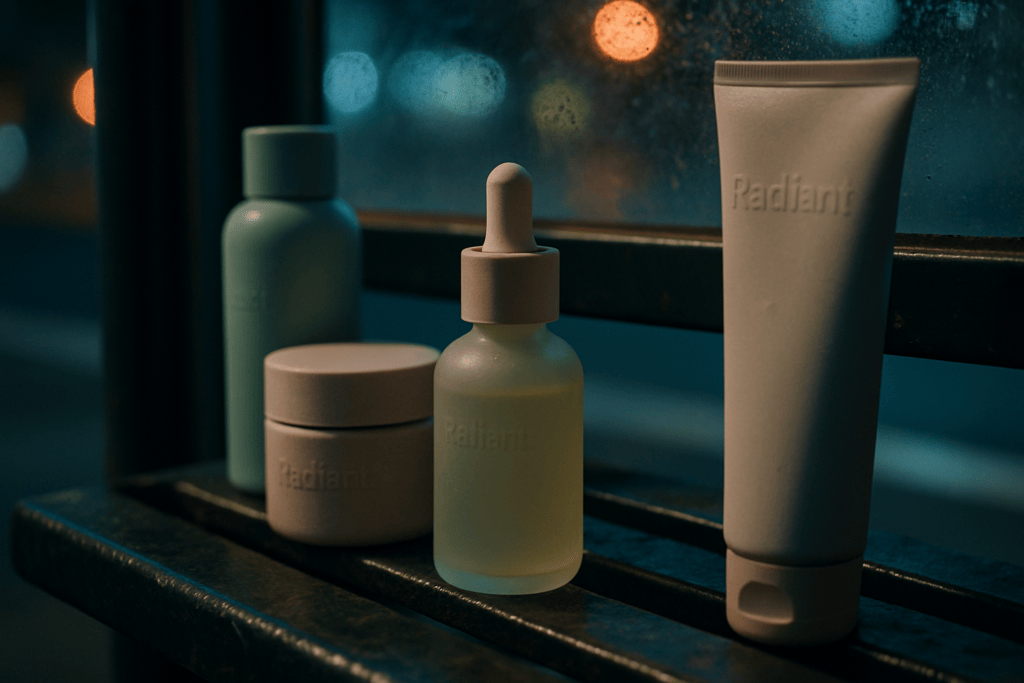

What Matters in a Next Gen Serum
If you’re shopping for results, not just fancy packaging, start with the ingredients. The heavy hitters in 2026 haven’t changed much peptides for firming, retinoids for cell turnover, niacinamide for tone and texture. These remain the backbone of any truly effective anti aging serum, backed by clinical research, not just influencer hype. Look past marketing lingo and scan for ingredient concentration, placement on the list, and pairing (for example, niacinamide works well with hyaluronic acid, retinoids often need backups like ceramides to avoid irritation).
Tech matters, too. In 2026, it’s not just what’s in your serum, it’s how it’s delivered. Microencapsulation and targeted delivery systems allow active ingredients to reach deeper layers without breaking down. That equals more results, less guesswork. Also, stability counts some formulas use smart carriers to prevent oxidation or premature activation, keeping the serum effective longer once opened.
Finally, know this: hydration makes skin feel better, sure. It’s important, but it’s not transformation. Real change the kind that smooths, lifts, fades comes from actives that stimulate collagen production, speed up renewal, and protect against oxidative stress. Moisture alone can’t do that. So if the label only talks about hydration, you’re buying a short term fix, not long term skin shift.
Peptide Enhanced Formulas
Peptides aren’t fluff. They’re short chains of amino acids that signal your skin to produce more collagen aka the stuff that keeps everything looking firm, smooth, and full. In 2026, they’re a staple in high performance serums because they bring visible structure back, especially around the jawline and eyes where sagging shows up first.
The real gains come from multi peptide blends formulations that combine signal peptides (which tell your cells what to do) and carrier peptides (which help deliver minerals deep into the skin). These do more than hydrate. They remodel.
Standouts from clinical trials this year? Look out for products like:
SkinTheory CollagenX Serum: firmed skin by 18% in 6 weeks, with good results on texture
Peptimax ProLift Concentrate: shown to smooth fine lines in just under a month, especially in thinner skin types
Bottom line: if you’re skipping peptides, you’re skipping one of the few science backed shortcuts to firmer skin that doesn’t involve needles.
Smart Buying in a Saturated Market

Let’s get one thing straight: reading a skincare label is part science, part survival skill. A serum boasting 15% vitamin C sounds strong but is it stable, or oxidized and useless before it hits your skin? Not all percentages are created equal. Ingredient order, formulation pH, and delivery systems matter as much as the number itself.
Price tags don’t always align with performance, either. Some expensive serums are worth it packed with patented complexes, trial data, and airtight packaging that actually preserves potency. But others are just marked up moisturizers in fancy bottles. Look for clinical evidence, not just influencer hype.
Speaking of which don’t let TikTok testimonials do your due diligence. Seek out ingredients tested in peer reviewed trials or backed by reputable dermatologists. It’s fine to start with what’s trendy, but that shouldn’t be where your decision ends.
The skincare world moves fast, and 2026 is full of breakthroughs that go beyond surface dew. Stay plugged in to what’s proven and what’s promising with resources like latest skincare must haves.
Watchouts Before You Apply
Let’s be blunt: even the best serum can backfire if you don’t use it right. In 2026, the patch test isn’t optional it’s your first line of defense in a market filled with powerful actives and complex blends. Do it right: pick an area like the jawline or behind the ear. Apply a small amount of the product once a day for three days. Any flare ups itching, redness, stinging? That’s your cue to hit pause.
Then comes layering. It’s chemistry, not just vibes. Niacinamide and vitamin C? Usually fine together now, thanks to modern formulations. Retinoids and exfoliating acids? Tread carefully use them on alternate nights. Think light to heavy: sheer serums go first, thicker creams last. Don’t pile on three actives and expect your skin barrier to throw a party.
And finally, product fatigue is real. More isn’t better it’s just chaos. Skin likes rhythm and recovery. Rotating five serums weekly might look cool on a shelf, but your skin won’t know what hit it. Stick to a few targeted performers and give them space to work.
Test smart. Layer smarter. Let your routine breathe.
Where Innovation Is Headed Next
The future of skincare isn’t about guesswork. It’s about data. In 2026, predictive skincare is taking the lead powered by biometrics. Think face scans that map your skin condition in real time, or wearables that monitor hydration levels and sun exposure. This kind of tracking isn’t just futuristic fluff. It means getting products that actually fit your skin’s moment to moment needs, not just what worked last year.
At the same time, AI is stepping in as your personal skincare consultant. Platforms are now generating product recommendations based on your skin type, tone, and even genetic markers. Upload a selfie, answer a few questions, and you’ll get a routine built around what you really need not an influencer’s best guess.
Curious what’s trending right now? Don’t miss our breakdown of the latest skincare must haves—including some serums already using this new tech behind the scenes.
 Luxury Travel & Lifestyle Contributor
Rose Boucher brings her love for glamorous travel destinations and luxury living to Glam World Walk. As a lifestyle writer, Rose captures the essence of exotic locations and exclusive experiences, offering readers a taste of the world’s most luxurious getaways. Her expertise in finding hidden gems, coupled with a deep understanding of fashion and culture, adds a unique flair to the site’s content, making her a trusted voice for those seeking elegance in every adventure.
Luxury Travel & Lifestyle Contributor
Rose Boucher brings her love for glamorous travel destinations and luxury living to Glam World Walk. As a lifestyle writer, Rose captures the essence of exotic locations and exclusive experiences, offering readers a taste of the world’s most luxurious getaways. Her expertise in finding hidden gems, coupled with a deep understanding of fashion and culture, adds a unique flair to the site’s content, making her a trusted voice for those seeking elegance in every adventure.