The Quiet Reset: From Heritage to Reinvention
Gucci started as a humble leather goods shop in Florence in 1921. It was rooted in craftsmanship, equestrian elegance, and Italian pride. For decades, the brand’s double G logo meant tradition and class, particularly for older elites and legacy buyers. But by the 1990s, what once felt timeless now felt tired.
The fashion world had moved on. Streetwear was rising, minimalism was gaining ground, and younger buyers found Gucci a little too heavy with its heritage. Inside the company, family infighting and stale design left the House vulnerable. Sales dipped. The brand that once ascended thanks to glamour and exclusivity was verging on cultural irrelevance. Riding on past reputation wasn’t working anymore.
Gucci needed more than a refresh it needed a rebirth. Reinvention became survival. The challenge was clear: keep the soul, drop the dust. The next decade would show whether a century old fashion house could make itself matter again.
Tom Ford’s High Voltage Transformation
When Tom Ford took the reins at Gucci in 1994, the brand was fading slipping into irrelevance despite its legacy. He didn’t ask for permission. Ford brought sex back to fashion. Velvet suits in rich jewel tones. Silk shirts unbuttoned just enough. Eyeliner for men. Advertising that didn’t hint at seduction it shouted it. That brazenness shocked a brand stuck in textbook elegance.
This wasn’t glamour for the sake of polish. Ford’s vision was indulgent minimalism. Simple silhouettes. Luxurious textures. Plunging necklines that made you blink. He balanced clean lines with a kind of feral confidence. The message was clear: less fabric, more heat.
The overhaul wasn’t just visual it was cultural. Ford gave Gucci an attitude, not just a wardrobe. His collections became statements, not just styles. By the end of the decade, Gucci wasn’t just back. It was unavoidable.
Read more about Tom Ford’s luxury vision.
Alessandro Michele and the Myth Pop Mashup
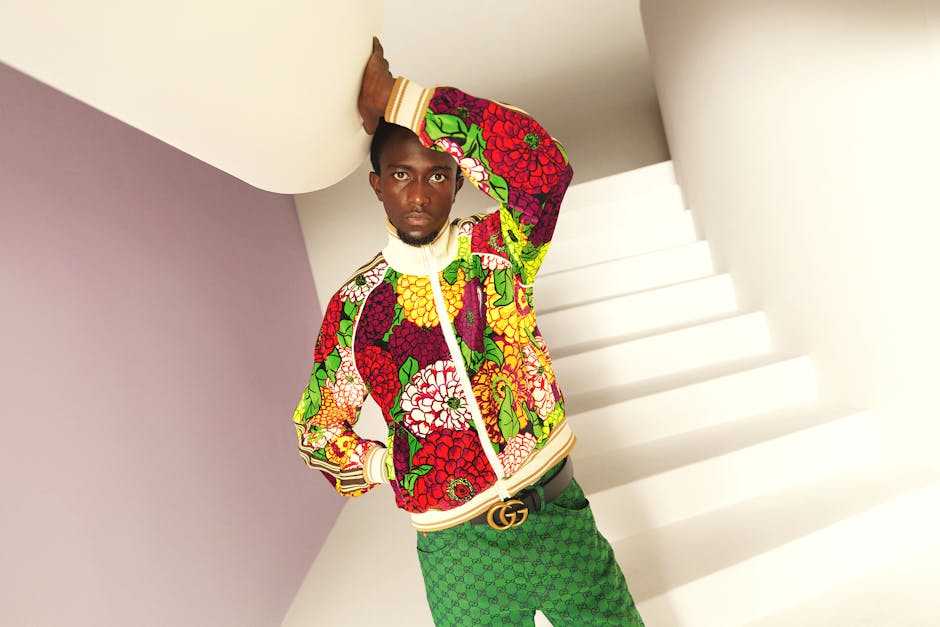
When Alessandro Michele took the creative reins at Gucci in 2015, he didn’t just tweak the brand aesthetic he completely rewrote its identity. In a time when many luxury houses leaned into minimalism, Michele steered Gucci toward lush, layered storytelling and dramatic visual expression.
From Clean Lines to Maximalist Expression
Gone were the pared down silhouettes and tightly edited collections. In their place came embroidered dragons, brocade suiting, and mismatched prints that turned runways into dreamlike tableaus.
Vibrant textures and rich color palettes
Visual references from Renaissance art to 70s glam rock
Collections as cultural commentary and visual spectacle
Michele embraced deliberate excess and fashion responded.
Genderless Silhouettes and Geek Chic Aesthetic
One of the most disruptive shifts Michele introduced was a fluid approach to gender. Pieces blended traditional menswear and womenswear, offering silhouettes that spoke to self expression over binary norms.
Blouses with bows and lace on menswear runways
Loafers, eyewear, and tailoring re contextualized for gender neutrality
“Geek chic” became shorthand for creative authenticity
These designs resonated deeply with a generation seeking more than style they wanted identity.
Connecting with Gen Z: Culture, Cast, and Content
Michele’s Gucci found a rare balance between prestige and pop culture. Rather than gatekeeping high fashion, the brand invited global Gen Z consumers into its world.
Inclusive casting spanning race, gender, size, and culture
Campaigns featuring music artists, manga influences, and offbeat actors
Remix culture: classic Gucci motifs reimagined through contemporary media
Michele didn’t just design for Gen Z he designed with them in mind.
From Exclusivity to Expression
The brand’s positioning shifted under Michele from luxury as aspiration to luxury as liberation. Campaigns championed individuality over perfection. Opulence was no longer reserved for the elite it was a canvas for creativity.
Messaging centered on personal storytelling
Marketing embraced individuality, oddity, and beauty in contrast
Brand tone pivoted from aloof to inclusive
Michele turned Gucci into a global language of creative freedom bold, unapologetic, and deeply human.
Digital First Moves and Cultural Capital
While most luxury brands dipped a toe in digital, Gucci cannonballed in. Early on, the House saw platforms like Instagram, Weibo, and TikTok not as risk, but as runway. They weren’t afraid to mix the polished with the playful. Meme ready campaigns, surreal AR lenses, and virtual try on tools weren’t gimmicks they were strategy. Gucci understood the shift: luxury wasn’t about distance anymore. It was about access, relatability, and showing up where attention already lived.
They didn’t just post product shots and call it a day. Gucci built community by collaborating with unexpected players popular gamers, digital artists, even meme creators. Think Animal Crossing crossovers and YouTube fashion challenges. Rather than chasing clout, the brand invited creators into its orbit, giving them freedom to reinterpret and remix the Gucci world. Cultural capital, built from the inside out.
The trick? Staying inclusive without watering down the fantasy. No matter the platform, Gucci made sure its visuals stayed sharp, strange, and unmistakably luxe. So while they nailed viral moments, they also kept credibility on the runway. That’s how you balance relevance with reverence and why, even on Gen Z’s For You page, Gucci doesn’t look like it’s trying too hard.
Global Impact: Designing for a World, Not a Country
Gucci isn’t speaking to one audience anymore it’s speaking to dozens, each with its own cultural nuance and style code. Localized campaigns in places like Seoul, Lagos, and Mumbai aren’t just translations of Western hits. They’re purpose built, rooted in local trends, worn by talent that reflects real identity, not global celebrity.
Then there’s the shift toward sustainable capsules and circular fashion. In 2024, fast drops aren’t enough. Gucci’s leaning into long play ideas, creating pieces meant to be resold, reworn, and recycled. Collabs with platform specific brands and upcycling initiatives aren’t a side note they’re a core part of the product story.
But maybe the biggest shift? Luxury is no longer just a flex. Gucci’s democratizing access in subtle ways. Think AR previews, micro collections, digital exclusives, and rental programs. The idea isn’t to make luxury cheap it’s to make it reachable. This isn’t about diluting. It’s about expanding who gets to participate in the experience.
The Legacy of Constant Reinvention
Gucci doesn’t play it safe and that’s exactly where its power lives. From near bankruptcy in the early ’90s to becoming a global cultural force, the brand’s survival mode has always looked a lot like creative audacity. It swings hard, reinvents fast, and rarely waits for permission.
That spirit of risk goes back to Tom Ford, who turned a dusty heritage house into a symbol of unapologetic glamour. But the current direction is less about shock and sex, more about fluid identity and cultural layering. Where Ford brought a strict vision of beauty, today’s Gucci is about pluralism fashion as collage. Alessandro Michele, and now Sabato De Sarno, built on Ford’s legacy not by copying it, but by flipping it inside out: same boldness, new context.
For emerging designers, the lesson isn’t just to be loud. It’s to be intentional willing to burn the script if the script no longer fits. Rule breaking only works when it serves a point of view. Gucci’s greatest skill isn’t trend chasing, it’s knowing when to abandon what made it successful in favor of what makes it matter next.
 Senior Fashion & Beauty Writer
Eric Camp, a seasoned writer and fashion expert, lends his sharp eye for trends and beauty to Glam World Walk. With a background in luxury retail and editorial work, Eric dives deep into the latest runway trends, offering readers insightful takes on the intersection of style and culture. His beauty product reviews and fashion industry analyses make him an indispensable part of the team, keeping readers ahead of the curve on all things chic and stylish.
Senior Fashion & Beauty Writer
Eric Camp, a seasoned writer and fashion expert, lends his sharp eye for trends and beauty to Glam World Walk. With a background in luxury retail and editorial work, Eric dives deep into the latest runway trends, offering readers insightful takes on the intersection of style and culture. His beauty product reviews and fashion industry analyses make him an indispensable part of the team, keeping readers ahead of the curve on all things chic and stylish.