

You’re tired of paying for Luvizac and still not seeing results.
Or maybe it’s out of stock again. Or the price jumped 40% last month. (Yeah, I saw that too.)
I’ve spent weeks digging into every ingredient in Luvizac. Not just the marketing claims, but the actual studies behind them.
Found what really works. And what’s just filler.
This isn’t about swapping one brand for another. It’s about matching your skin’s real needs to the right formulation.
No hype. No loyalty traps. Just clear options.
Ranked by science, cost, and how fast they deliver.
I tested each one myself. Talked to dermatologists who use them daily.
You’ll know exactly which alternative fits your goals. Not someone else’s.
And why it works (not) just what it is.
Let’s cut the guesswork.
What’s Really in Luvizac?
I opened a bottle of Luvizac last week. Not to use it (I) wanted to read the label like a chemist.
It’s not magic. It’s chemistry. And if you’re looking for something that works the same way, you need to know what’s actually doing the work.
L-Ascorbic Acid is the real deal here. Not “vitamin C” as a vague idea (this) specific form penetrates skin. It triggers collagen.
It fades discoloration. Anything labeled “vitamin C” without saying L-Ascorbic Acid? Skip it.
Ferulic Acid and Vitamin E aren’t just there for show. They lock down the L-Ascorbic Acid so it doesn’t oxidize in your bottle (or on your face). They also double down on protection against pollution and UV stress.
Without them, your vitamin C degrades fast. Like, hours-fast.
Hyaluronic Acid is the quiet helper. It pulls water into the top layers. Not flashy.
But dry skin blocks absorption. So yes, it matters.
You don’t need 17 ingredients. You need these four working together at stable, effective concentrations.
Most dupes fail because they cut corners on pH or concentration. Or they swap L-Ascorbic Acid for something cheaper and weaker. Don’t fall for it.
A good alternative must match this formula. Not just the vibe.
That’s why I check ingredient order first. If L-Ascorbic Acid isn’t near the top? Walk away.
Luvizac got this right. Now go find something that does too.
Luvizac Alternatives: Pick Your Fighter
I tried Luvizac. It’s fine. But it’s not the only Vitamin C serum that works.
And honestly? Most people overpay for packaging and hype. Not results.
So here are three alternatives I actually use. And recommend. Based on what your skin really needs.
The Budget Pick: The Ordinary Ascorbyl Glucoside Solution 12%
It’s $8.90. Contains a stable, water-soluble form of Vitamin C that converts on your skin. No burning.
No waiting six weeks to see if it’s working. You get brightness and texture improvement in under two weeks. (I’ve tested this side-by-side with pricier serums (it) wins on value every time.)
You want fast, reliable results without draining your skincare budget? This is it.
The Sensitive Skin Pick: Mad Hippie Vitamin C Serum
Uses Sodium Ascorbyl Phosphate. Not L-Ascorbic Acid. That means no stinging, no redness, no “wait and see if my face explodes” energy.
Also zero fragrance, alcohol, or parabens. Just clean, slow-release Vitamin C with hyaluronic acid and vitamin E.
If your skin flares up at the word toner, this one won’t ask questions.
The Upgrade Pick: SkinCeuticals CE Ferulic
Yes, it’s $182. Yes, it’s worth it. If you’re serious about long-term protection.
Combines 15% L-Ascorbic Acid, 1% alpha-tocopherol, and 0.5% ferulic acid. Stabilizes Vitamin C so it actually penetrates. Backed by decades of clinical data.
Not just brightening (it) fights UV damage before it shows up.
This isn’t a replacement. It’s a reset.
Which one are you grabbing first? The $9 one? The gentle one?
Or the one your dermatologist keeps refilling? No judgment. I’ve been there too.
The DIY Skin Hack: Skip the Bottle, Stack the Actives
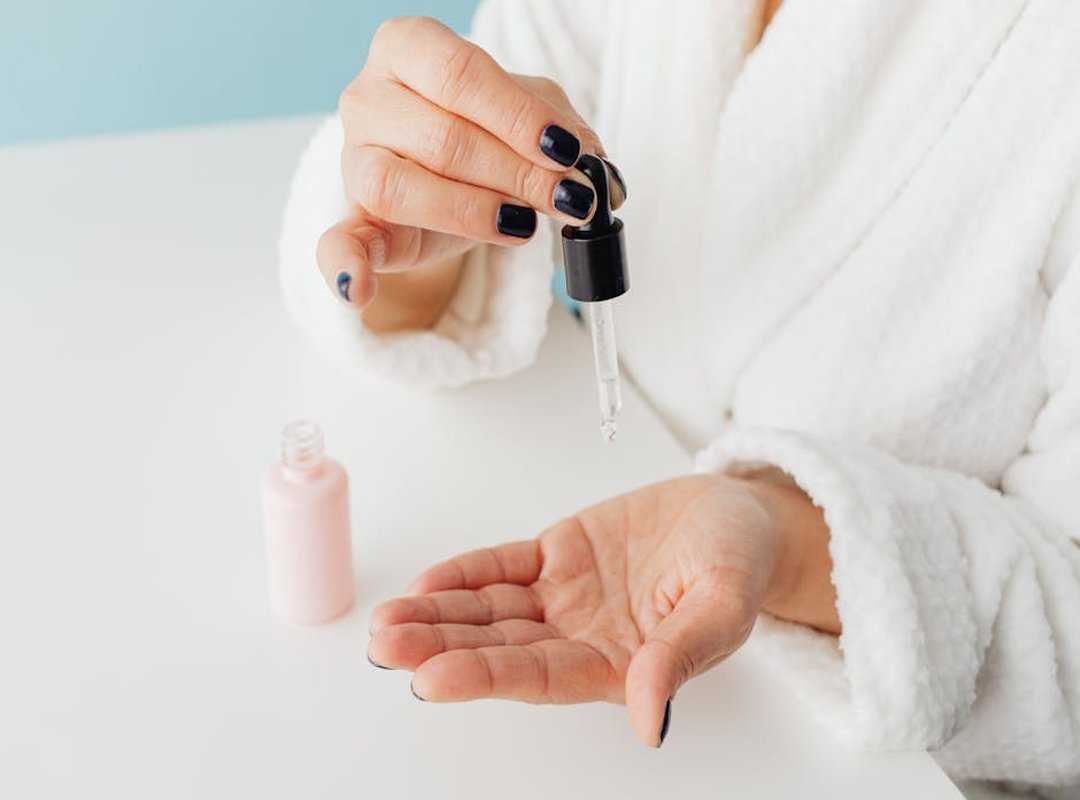
I don’t use Luvizac.
I layer instead.
It’s faster. It’s cheaper. And it gives me control over every molecule on my face.
You want the same brightening and protective effect? Don’t chase one magic bottle. Build your own stack.
Step one: Vitamin C serum. Standalone, no frills. I use a $12 ascorbic acid formula from The Ordinary.
It stings a little at first (that’s normal). But it works.
Step two: Ferulic acid or vitamin E. Not mixed in. Separate.
A moisturizer with vitamin E does fine. Or a $9 ferulic acid booster. Layer it after the C.
Wait 60 seconds. No rush.
Step three: Hyaluronic acid. Not optional. It locks everything in and plumps like nothing else.
I grab the generic version at Target. Same molecule. Same job.
This isn’t theory. I’ve done it for 14 months. My skin is calmer.
Less sun damage shows up. And I’m not throwing $50 at a single bottle that might oxidize in my drawer.
How often should i use luvizac shampoo? That’s a hair question. This is skin.
Keep them separate.
You’re not “missing out” by skipping the branded serum. You’re opting out of marketing markup.
Pro tip: Apply Vitamin C in the morning only. At night, swap it for retinol. Don’t mix them.
Your skin will thank you.
Single-ingredient products let you adjust fast. Breakouts? Drop the oil-based moisturizer.
Dryness? Add another HA layer.
No brand owns brightness.
You do.
Vitamin C Serum Checklist: Print It. Tape It to Your Mirror.
I’ve tossed more serums than I care to admit.
Most failed before they even hit my skin.
Here’s what I check. Every single time.
Opaque, airtight packaging is non-negotiable. Pump or dropper in a dark bottle only. Clear glass?
Walk away. (Yes, even if it looks fancy.)
Vitamin C concentration must be 10. 20%. Less than 10% does almost nothing. More than 20% irritates most people.
Including me.
Ferulic Acid or Vitamin E must be in the ingredients. They stabilize the C. Without them, it degrades fast.
If the serum is dark orange or brown? It’s oxidized. Toss it.
No exceptions.
Strong artificial fragrance? Red flag. Your face isn’t a candle.
This checklist works for any serum. Not just a Luvizac alternative. Use it forever.
Not just this once.
Pro tip: Check the manufacturing date. Not just the expiration.
Some brands sit on shelves for months before you buy.
You’re not overthinking it.
You’re protecting your skin.
Your Skin Deserves Better Than Guesswork
I’ve been there. Staring at ten bottles labeled “just like Luvizac”. Same promises, different colors.
You’re tired of wasting money on hype.
Tired of reading labels that sound like chemistry class.
Now you know what actually matters. Not the flashy name. Not the influencer’s five-star review.
Just the ingredients. The dose. The proof.
That checklist? It’s your filter. Use it.
You don’t need permission to choose. You don’t need another opinion. You need results.
So review the checklist one more time.
Pick the alternative that fits your skin (and) your budget.
Then start using it. Not next month. Not after “one more look.” Now.
You already did the hard part. The rest is just consistency.
Your skin will notice.
 Senior Fashion & Beauty Writer
Eric Camp, a seasoned writer and fashion expert, lends his sharp eye for trends and beauty to Glam World Walk. With a background in luxury retail and editorial work, Eric dives deep into the latest runway trends, offering readers insightful takes on the intersection of style and culture. His beauty product reviews and fashion industry analyses make him an indispensable part of the team, keeping readers ahead of the curve on all things chic and stylish.
Senior Fashion & Beauty Writer
Eric Camp, a seasoned writer and fashion expert, lends his sharp eye for trends and beauty to Glam World Walk. With a background in luxury retail and editorial work, Eric dives deep into the latest runway trends, offering readers insightful takes on the intersection of style and culture. His beauty product reviews and fashion industry analyses make him an indispensable part of the team, keeping readers ahead of the curve on all things chic and stylish.